

As homeowners, investing time and resources into home renovations is a common endeavour, especially when aiming to enhance both the aesthetic appeal and value of our dwellings. However, beyond the allure of fresh paint and modern fixtures lies an essential upgrade opportunity often overlooked: energy efficiency. Making your home more energy efficient during a renovation not only reduces your environmental footprint but also decreases utility costs in the long term. In this article, we delve into practical strategies to infuse energy efficiency into your home renovation plans.
Start by Conducting an Energy Audit
The initial step towards an energy-efficient renovation is conducting an energy audit. An energy audit provides a comprehensive assessment of your home’s energy usage and identifies areas that require improvement. By pinpointing energy wastage, you can prioritize renovations that yield the highest efficiency gains. Whether hiring a professional or using DIY tools, the audit should evaluate insulation levels, HVAC systems, lighting, and potential air leaks.
Insulation and Air Sealing: The Foundation of Efficiency
Insulation is a critical factor in regulating your home’s temperature. By upgrading your insulation during a renovation, you can significantly reduce energy consumption. Areas such as attics, walls, and basements are prime targets. Moreover, consider using sustainable materials like cellulose or spray foam for enhanced efficiency.
Additionally, air sealing works hand-in-hand with insulation to prevent air leaks. Ensure all windows, doors, and ductwork are tightly sealed. This prevents heat loss in winter and keeps your home cooler in summer, reducing the burden on HVAC systems.
Upgrade to Energy-Efficient Windows and Doors
Replacing outdated windows and doors with energy-efficient models can greatly enhance your home’s thermal performance. Double or triple-glazed windows with low-emissivity coatings reduce heat transfer and curb energy losses. Similarly, insulated exterior doors can safeguard against drafts and support indoor climate control.
Harness the Power of Smart Technology
Incorporating smart technology into home renovations can lead to substantial energy savings. Smart thermostats, for instance, adjust temperatures based on occupancy, ensuring energy is not wasted on heating or cooling when it’s unnecessary. Smart lighting systems allow you to control lighting remotely, set schedules, and use sensors to minimize energy consumption.
Lighting Choices: Embrace LED Technology
Lighting is a significant component of your home’s energy use. During a renovation, switch out incandescent bulbs for LED lighting. LEDs consume far less energy, have a longer life span, and produce brighter, more consistent light. The result is not just lower energy bills but also reduced replacement costs.
Advanced Home Design Solutions
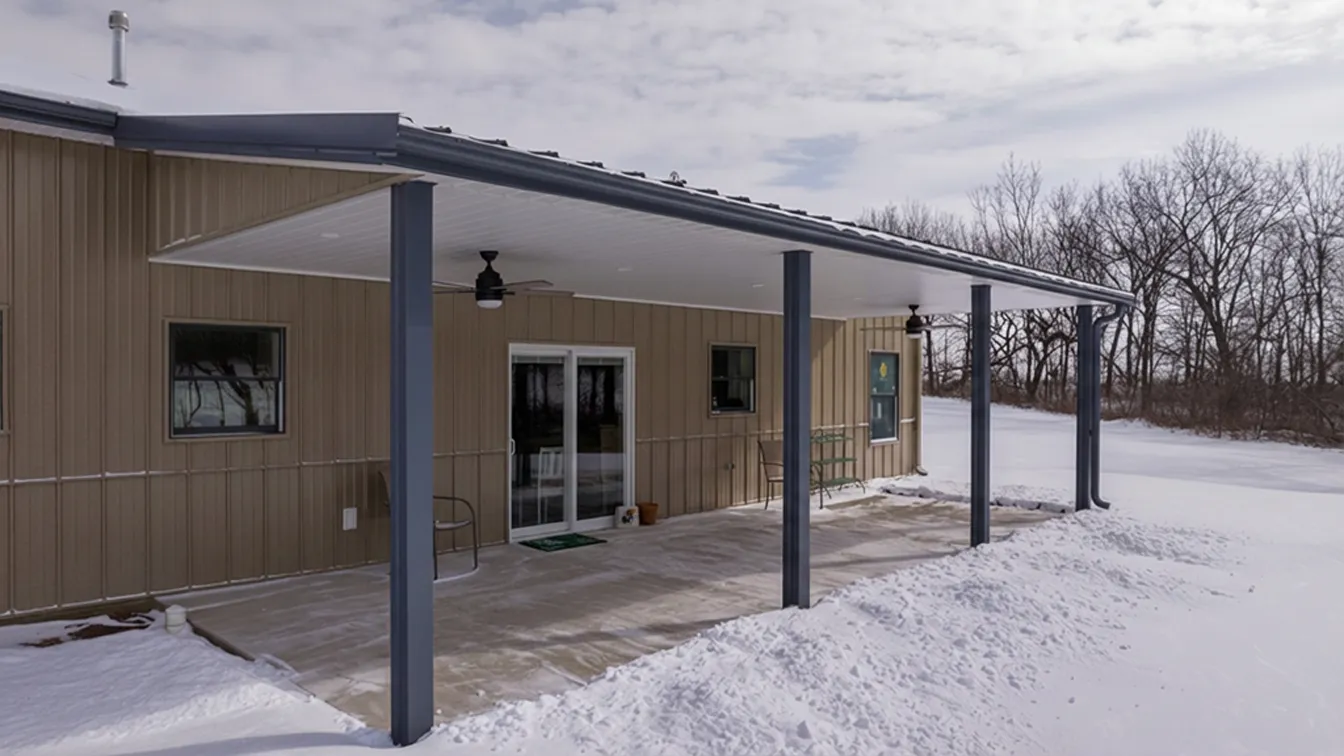
Modern building techniques offer innovative solutions to maximize energy efficiency. If you’re engaged in substantial renovations or constructing new spaces, consider the benefits of building with steel. Steel structures, such as barndominiums in Canada, provide excellent thermal performance due to their tight envelope construction. They’re designed to withstand extreme weather conditions, ensuring your energy use remains stable regardless of external temperatures.
Moreover, steel construction is compatible with renewable energy technologies such as solar panels, further enhancing efficiency and sustainability.
Selecting Energy-Efficient Appliances
Appliances are major energy consumers. Renovation is the perfect time to upgrade to high-efficiency models. Look for appliances with ENERGY STAR ratings, as they meet or exceed efficiency standards, leading to lower energy use and reduced costs in the long run.
Renewable Energy Integration
For those looking to make significant strides in energy efficiency, integrating renewable energy systems can be transformative. Solar panels, wind turbines, or geothermal systems can provide clean, sustainable energy for your home. These investments may require an upfront cost, but with governmental incentives and the potential to sell excess power back to the grid, the benefits can quickly outweigh the costs.
Consider Modular Building Approaches
Modular buildings, known for their quick assembly and efficient construction, offer another avenue to achieve energy-efficient homes. They are often pre-engineered for optimal energy performance, reducing waste during construction. In the realm of steel structures, pole barn kits exemplify modular efficiency. These kits are easily customizable for residential purposes and can be outfitted with additional insulation and climate control systems.
The Role of Landscaping in Energy Efficiency
Don’t overlook the exterior when considering energy efficiency. Thoughtful landscaping can play a substantial role in regulating your home’s climate. Deciduous trees, when planted strategically, provide shade and reduce cooling costs in the summer while allowing sunlight to warm your home in the winter. Similarly, windbreaks of evergreen trees can serve as buffers against cold winds.
Set a Sustainable Renovation Mindset
Finally, embracing an energy-efficient mindset throughout your renovation project is essential. Opt for sustainable materials, recycle waste whenever possible, and consider the long-term impact of your renovation choices. By approaching the process with sustainability in mind, you ensure that your home not only becomes more efficient but also environmentally responsible.
Making your home more energy efficient during a renovation is an investment that pays for itself over time. Not only do these upgrades reduce your utility bills, but they also enhance your quality of life and contribute positively to the environment. As Canadians increasingly embrace sustainable living, prioritizing energy efficiency in home renovations sets the foundation for a more comfortable, cost-effective, and eco-friendly future.
