

Historical Use of Asbestos in Building Materials
Asbestos, a naturally occurring mineral, was widely incorporated into building materials for decades due to its remarkable heat resistance and durability. Many homes constructed before the 1980s likely contain materials that include asbestos. These substances were often used in insulation, roofing, flooring tiles, and even textured paints. Identifying these materials is the first step in managing potential risks. Because asbestos fibers are so fine, they are not visible to the naked eye, making visual identification alone unreliable. If your home was built during this era, it’s wise to consider the possibility of asbestos presence.
How to Identify Materials That May Contain Asbestos
It is often impossible to identify asbestos-containing materials just by looking at them. Unless a product is clearly labeled as containing asbestos, the only way to be certain is through professional testing. However, certain materials are more likely to contain asbestos. These include:
- Older insulation, especially pipe and attic insulation.
- Vinyl floor tiles and the adhesive used to install them.
- Textured paints and coatings, like popcorn ceilings.
- Roofing and siding shingles.
- Some older cement products.
If you are planning renovations or notice that materials in your home are damaged, it is especially important to consider asbestos. Disturbing these materials during DIY projects can release fibers into the air. For any suspected asbestos-containing materials, it is best to assume they contain asbestos and avoid disturbing them. If you need to confirm, a professional can safely take samples for laboratory analysis. You can find accredited professionals through local or state environmental agencies. For more information on materials that might contain asbestos, consult resources on older home materials.
Health Effects of Asbestos Exposure
When asbestos-containing materials are disturbed, microscopic fibers can become airborne. If these fibers are inhaled, they can lodge in the lungs and other organs. Over time, this can lead to serious and sometimes fatal diseases. The most well-known health issues associated with asbestos exposure include asbestosis, a scarring of the lung tissue, and certain types of cancer, such as mesothelioma and lung cancer. The latency period for these diseases can be very long, often appearing decades after exposure. Because the health risks are significant and the fibers are invisible, caution is paramount when dealing with materials that may contain asbestos. The fine, fluffy nature of asbestos fibers means they can easily become airborne when disturbed, as described in how asbestos fibers behave.
When DIY Home Repair Becomes an Asbestos Risk
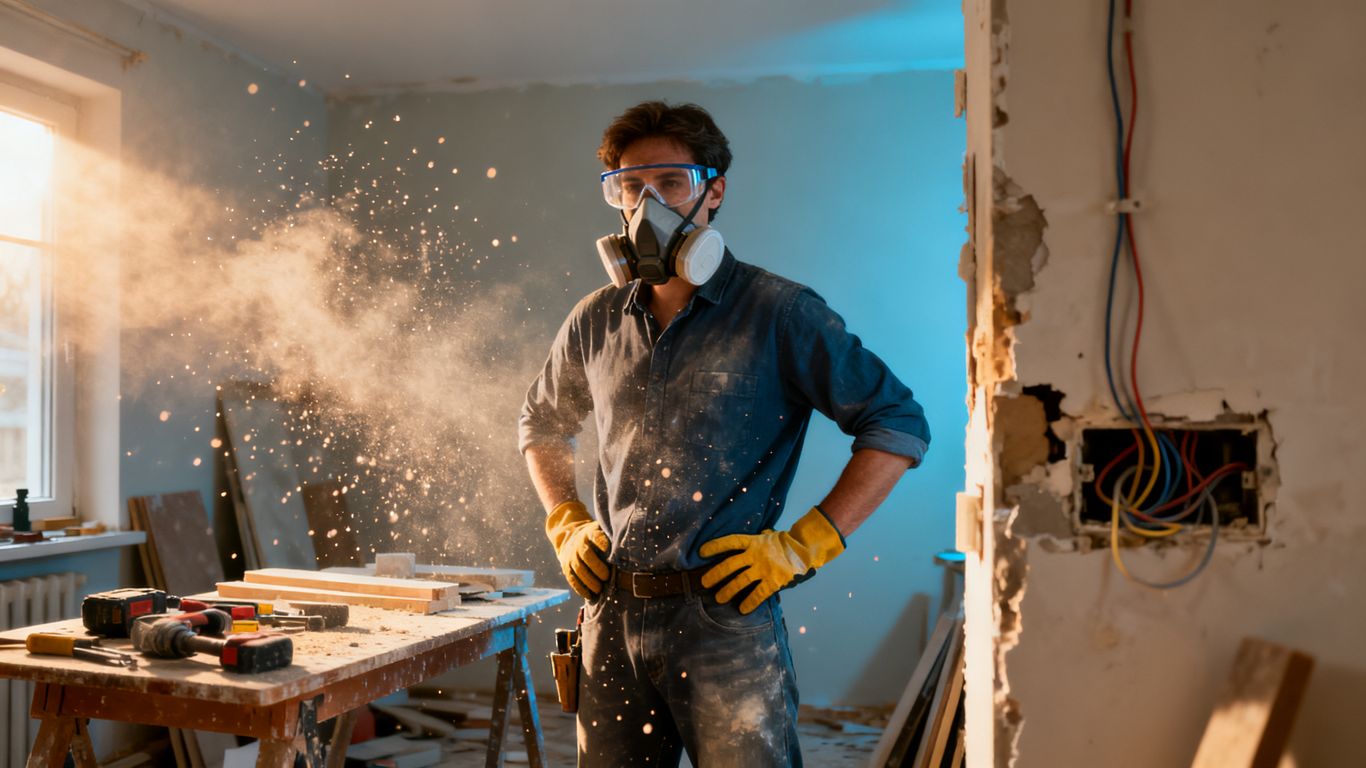
Many homeowners enjoy tackling projects around the house, from fixing a leaky faucet to updating a bathroom. However, when dealing with older homes, particularly those built before the 1980s, a DIY spirit can inadvertently lead to serious health hazards if asbestos is present. The allure of saving money or the satisfaction of a job well done can be overshadowed by the significant risks associated with disturbing asbestos-containing materials.
The danger lies in the microscopic fibers that asbestos materials release when disturbed. Activities that seem minor, like sanding a wall, cutting into a floor tile, or even just cleaning up debris, can send these fibers into the air. Once airborne, they can be inhaled, leading to severe respiratory illnesses over time, such as asbestosis and mesothelioma. It’s important to remember that you often can’t see or smell asbestos fibers, making their presence undetectable without proper testing.
Several common DIY scenarios can turn into asbestos risks:
- Flooring Projects: Removing or replacing old vinyl floor tiles, especially those installed before the mid-1980s, can release asbestos fibers from both the tiles and the adhesive. A recent analysis showed a concerning presence of asbestos indicators in online content related to flooring [b3b9].
- Insulation Work: Disturbing old insulation in attics, basements, or around pipes can expose you to asbestos fibers. Many older insulation types were made with asbestos for fire resistance.
- Demolition and Renovation: Any project that involves breaking down walls, ceilings, or other structural elements in older homes carries a high risk of encountering and disturbing asbestos-containing materials like plaster, drywall joint compound, or cement board.
- Minor Repairs: Even seemingly small tasks, such as scraping off old paint or patching small holes in textured ceilings, can disturb asbestos if those materials contain it.
It’s crucial to approach any home repair in an older property with caution. If you suspect materials might contain asbestos, the safest course of action is to avoid disturbing them altogether. Never attempt to clean up debris that might contain asbestos by sweeping or vacuuming with a standard vacuum cleaner. Instead, limit access to the area and consult with professionals. Before starting any significant DIY projects in your home, consider having it tested for asbestos [6b7a]. This proactive step can prevent accidental exposure and costly remediation down the line.
Evaluating the Need for Professional Asbestos Services
When you’re undertaking home repairs, especially in older properties, it’s important to know when a DIY approach crosses the line into potentially hazardous territory. Identifying materials that might contain asbestos is the first step, but deciding whether to tackle a repair yourself or call in the experts requires careful consideration. Disturbing asbestos-containing materials can release microscopic fibers into the air, posing serious health risks.
What to Do If You Have Asbestos in Your Home
If you suspect asbestos is present, the safest course of action is to avoid disturbing it. For damaged materials or if you plan renovations that might affect them, professional assessment is key. Licensed asbestos removal professionals can provide a thorough evaluation and advise on the best course of action. They have the tools and knowledge to handle these materials safely, protecting your household from exposure. It’s always better to err on the side of caution when dealing with potential asbestos contamination. You can find resources for accredited professionals through your state agencies, which often maintain up-to-date listings.
When to Leave Asbestos Materials Undisturbed
Not all asbestos-containing materials require immediate removal. If the material is in good condition and unlikely to be disturbed, leaving it in place is often the recommended approach. This is particularly true for materials like intact floor tiles or siding that are not crumbling or damaged. Activities that could potentially disturb these materials should be minimized. For instance, avoid sweeping or vacuuming debris that might contain asbestos, as this can aerosolize fibers. Similarly, do not saw, sand, or drill into materials you suspect contain asbestos. If you need to cover existing asbestos flooring, installing new flooring over it is a safer alternative than attempting removal.
The Role of Air Quality in Asbestos Remediation
Air quality is a significant factor when assessing asbestos risks. While asbestos fibers themselves are invisible, their presence in the air can lead to severe respiratory illnesses over time. If asbestos-containing materials are damaged, or if a project involves disturbing them, the risk of fiber release increases dramatically. Professionals can conduct air quality testing to determine the level of asbestos fibers present. This testing is often a part of the remediation process, helping to confirm that cleanup efforts have been successful and that the air is safe for re-occupancy. Improving overall indoor air quality through ventilation and filtration can help, but it does not eliminate the risk posed by undisturbed asbestos materials. For any situation involving potential asbestos release, contacting licensed asbestos removal professionals is the most prudent step.
Professional Asbestos Remediation and Repair
When asbestos-containing materials in your home are damaged or pose a risk, professional intervention becomes necessary. Attempting to handle asbestos yourself can lead to significant health hazards and may even worsen the situation. Professionals are equipped with the knowledge, tools, and safety protocols to manage asbestos safely and effectively.
Asbestos Professionals: Who Are They and What Can They Do?
Generally, there are two main types of accredited asbestos professionals homeowners might interact with:
- Asbestos Inspectors: These individuals are trained to examine your property, identify materials that may contain asbestos, collect samples for laboratory testing, and assess the condition of these materials. They can then provide a detailed report outlining the extent of the issue and recommend appropriate courses of action. Inspectors also play a role in monitoring air quality after remediation to confirm the area is safe.
- Asbestos Contractors: These are the professionals who perform the actual work of repairing or removing asbestos-containing materials. They are licensed and trained in specific abatement techniques to minimize fiber release during the process. For homeowners in areas like Richmond, VA, finding licensed technicians is key to safe asbestos removal.
While federal law may not always require accreditation for work in single-family homes, many states and local jurisdictions do. It is always advisable to hire professionals who are trained and accredited to handle asbestos.
Professional Asbestos Remediation Techniques
Professionals employ several methods to address asbestos-containing materials, depending on the situation:
- Sealing (Encapsulation): This involves applying a sealant to the asbestos material. The sealant can either bind the asbestos fibers together, preventing them from becoming airborne, or coat the material to stop fiber release. This method is often suitable for intact pipe, furnace, or boiler insulation.
- Covering (Enclosure): This technique involves placing a barrier over or around the asbestos-containing material. For instance, exposed pipes might be covered with a protective wrap or jacket to contain the fibers.
- Removal: This is typically the most involved process and is usually required when asbestos materials are extensively damaged, cannot be safely repaired, or will be disturbed during major renovations. Improper removal can significantly increase the risk of asbestos exposure. Professionals use specialized containment procedures, wetting agents, and personal protective equipment to safely remove and dispose of the material.
Sealing and Covering Asbestos Materials
Sealing and covering are often preferred over removal when possible, as they are generally less disruptive and less costly. However, these methods are not a permanent solution and require careful execution by trained professionals. Sealing, or encapsulation, uses specialized coatings to bind asbestos fibers, preventing their release into the air. Covering, or enclosure, involves installing a barrier, such as a drop ceiling or pipe wrap, to isolate the asbestos material. Both techniques aim to contain the hazard without disturbing the material itself. For homeowners seeking such services in areas like Durham, NC, looking for trusted asbestos removal services is a good starting point.
Hiring and Working With Asbestos Professionals
When dealing with materials that might contain asbestos, it’s important to know when to call in the experts. Trying to handle asbestos yourself can be risky, and often, it’s not even allowed by law. Professionals are trained to manage these situations safely and effectively.
Before You Hire an Asbestos Professional
Before you even pick up the phone, there are a few things to consider. It’s best to avoid situations where the same company assesses the problem and then does the work. This helps prevent any conflicts of interest. Always ask for proof that the professionals you’re considering have completed the required training and are accredited for asbestos work. You can also check their track record with local agencies that handle worker safety or environmental protection. Looking into their past performance can give you peace of mind.
If You Hire an Asbestos Professional Inspector
If you bring in an inspector, make sure they plan to do a thorough visual check and take samples for lab testing. They should provide a written report detailing where any asbestos is located, how damaged it is, and what steps should be taken. Sometimes, inspectors can also come back after the work is done to check that the area has been properly cleaned up.
If You Hire an Asbestos Professional Contractor
When hiring a contractor for repairs or removal, get a detailed written contract. This contract should outline the work plan, how cleanup will happen, and which regulations they must follow. It’s a good idea to check with your state agencies about asbestos worker protection laws. After the job is finished, ask for written confirmation that everything was done according to the plan. The contractor should take great care to avoid spreading dust and should dispose of all waste materials properly in sealed, labeled bags. They should also use wetting agents before removal to keep fibers from becoming airborne and clean the area thoroughly afterward using wet methods or specialized vacuums. You can find asbestos job openings in various locations, like Los Angeles, CA, if you’re looking for professionals in a specific area.
Ensuring Proper Cleanup and Disposal Procedures
Proper cleanup and disposal are just as important as the removal itself. Professionals will seal off the work area, turn off HVAC systems, and use plastic sheeting to prevent asbestos dust from spreading. All contaminated materials, including disposable clothing and equipment, must be placed in heavy-duty, sealed, and labeled plastic bags for disposal according to regulations. After the work, the area should be meticulously cleaned using wet mops, rags, or HEPA vacuums. Air monitoring after the job might be necessary to confirm that asbestos fiber levels have returned to normal. If you’re interested in the field, there are many asbestos-related job openings in places like Florida.
Legal and Safety Aspects of Asbestos Handling
Handling asbestos in residential properties is subject to strict legal and safety protocols designed to protect both occupants and the environment. Homeowners must be aware that in many jurisdictions, attempting asbestos removal themselves is not legally permitted. This is due to the significant health risks associated with improper handling, which can lead to the release of hazardous fibers into the air.
Federal, State, and Local Regulations
Various governmental bodies have established regulations to control asbestos. These rules dictate how asbestos-containing materials must be identified, managed, and disposed of. Before any renovation or demolition work that might disturb asbestos, a certified inspector is typically required to conduct an asbestos inspection. Adherence to these regulations is not optional; non-compliance can result in substantial penalties. It is advisable to consult with state agencies and review worker protection laws to fully understand the applicable federal, state, and local requirements.
Avoiding Conflicts of Interest with Professionals
When engaging professionals for asbestos-related work, it is important to avoid potential conflicts of interest. Ideally, the asbestos professional hired to assess the need for repair or removal should be independent of the firm that will perform the actual work. Utilizing two separate companies can help ensure an unbiased evaluation and prevent situations where a contractor might recommend unnecessary or overly extensive work. Always ask professionals to provide documentation of their training and accreditation. Checking their past performance with local authorities and consumer protection agencies is also a prudent step.
Legal and Safety Aspects of Asbestos Removal
Professional asbestos removal is a complex process governed by stringent safety measures. Licensed contractors employ specialized containment techniques and personal protective equipment to safely manage and dispose of asbestos materials. Workers exposed to asbestos during renovation or repair activities must be provided with proper ventilation, a key component in maintaining safety and complying with regulations. The goal is always to prevent the release of asbestos fibers into the living space and the surrounding environment. After the work is completed, air monitoring may be necessary to confirm that the area is safe and free from elevated asbestos fiber levels.
